
A Beginner's Guide to Race Car Maintenance
A Beginner's Guide to Race Car Maintenance
Maintaining a race car is an important skill for any race car team. Keeping your car in top shape will ensure that it performs to its maximum potential on the track while also helping you stay safe. Here are some tips and tricks to help you keep your race car in perfect running condition:
Regularly check your tires
Your tires should be checked before every race and tire prep done according to the manufacturers’ recommendations: Hoosier, American Racer. Make sure the tire pressure is at the recommended level for maximum performance; this can vary between different types of cars and racing tracks.
Ensure fluid levels are topped up
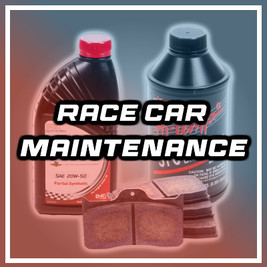
Check all fluid levels including engine oil, brake fluid, transmission fluid, cooling water, gear oil and power steering fluid before races or practices. Make sure to use fluids recommended by the parts manufacturers such as Wilwood, Valvoline, and more for best performance.
Check suspension settings
Check your suspension shock settings before each race or practice session. Different tracks require different settings, so make sure they’re adjusted correctly depending on where you’re going. Also make sure to inspect your shocks and dampers for any worn parts that need replacing.
Ensure brakes are functioning properly
Check brake pads, discs and calipers regularly as they wear out quickly due to heat generated during hard braking sessions. Make sure they are replaced when necessary as poor brakes can spell disaster on the track!
Change spark plugs regularly
Spark plugs usually need changing every season, depending on the type of engine in your race car. This ensures that your engine is firing with optimum power output and keeps it running smoothly.
Keep an eye on engine temperature
Make sure that engine temperatures are kept within normal operating range when driving; if temperatures start climbing too high then this can indicate a problem such as low cooling air or blocked cooling system components which could cause serious damage if not corrected quickly.
Following these steps will help keep your race car performing at its best so you can get out there and start winning! Good luck!
Recent Posts
-
How Spring Rate Changes Transform Your Dirt Car's Handling
Master Your Dirt Car: How Spring Rates Transform Handling You hit the entry of turn one, pitch the c …Mar 5th 2026 -
Ford 427 Crate Engine: Specs, Performance & FAQ
Unboxing the Beast: A Guide to the Ford 427 Crate Engine When the name "427" is mentioned in Ford c …Feb 25th 2026 -
J-Bar Tuning Guide: Controlling Roll & Balance in Dirt Cars
Master Dirt Track Handling: A Guide to J-Bar Tuning & Adjustments Ever feel like your dirt car has …Feb 17th 2026


