

Dirt Bike Tire Size Guide: What the Numbers Mean
Decoding Dirt Bike Tire Sizes: A Rider's Guide
Choosing the right parts for your dirt bike is key to getting the most out of your ride. Picking the correct size affects everything from handling and traction to stability. Let's break down those numbers so you can feel confident you're running the right rubber.
What Do the Numbers Mean?
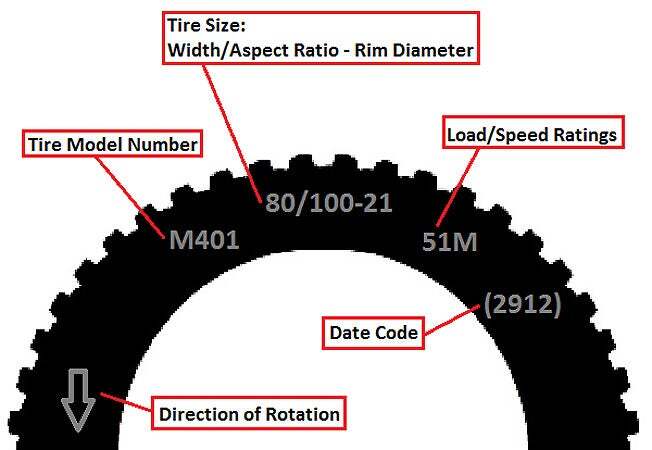
You've probably seen a sequence of numbers on your tire's sidewall that looks something like this: 80/100-21. This isn't a random code; it's a precise measurement that tells you everything you need to know about the tire's dimensions. Let's decode it piece by piece.
The First Number: Tire Width (e.g., 80/100-21)
The first number in the sequence represents the width of the tire in millimeters. This measurement is taken from one sidewall to the other at the tire's widest point when properly inflated and mounted on the correct rim.
- In our example (80/100-21), the tire width is 80mm.
A wider tire generally provides a larger contact patch with the ground, which can improve traction. However, it can also make the bike feel heavier and slower to turn. A narrower tire may offer quicker handling and better performance in ruts.
The Second Number: Aspect Ratio (e.g., 80/100-21)
The second number is the aspect ratio, which tells you the height of the tire's sidewall. It's expressed as a percentage of the tire's width.
- In our example (80/100-21), the sidewall height is 100% of the 80mm width. This means the sidewall height is 80mm.
A taller sidewall (a higher aspect ratio) can provide more flex and cushioning, which is great for absorbing bumps on rough trails. A shorter sidewall (a lower aspect ratio) offers more rigidity, which can lead to more precise handling on hard-packed tracks.
The Third Number: Rim Diameter (e.g., 80/100-21)
The final number indicates the diameter of the wheel rim that the tire is designed to fit, measured in inches.
- In our example (80/100-21), the tire is made for a 21-inch rim.
This is a critical measurement. You must match the tire's diameter to your bike's rim size. Trying to mount a tire on the wrong-sized rim is impossible and unsafe.
Common Sizes and Their Uses
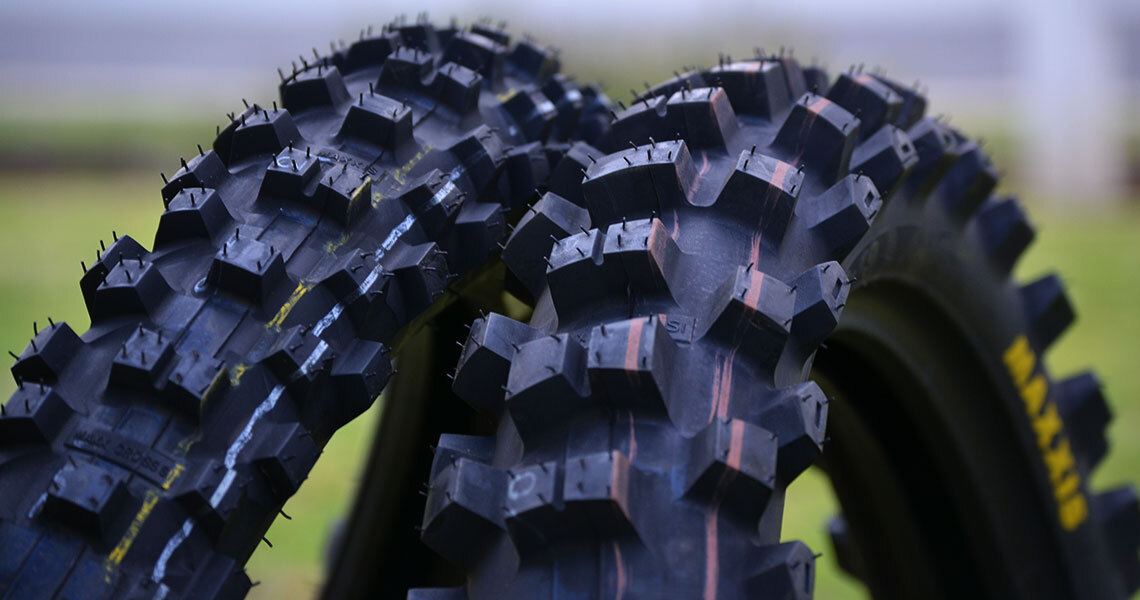
Dirt bikes typically use a larger front wheel and a smaller rear wheel. This setup helps the bike roll over obstacles more easily while providing maximum traction from the rear.
- Front Tires: The most common front tire size is 80/100-21. You'll find this on most full-sized motocross and enduro bikes. The 21-inch diameter is excellent for navigating ruts, rocks, and roots.
- Rear Tires: Rear sizes vary more depending on the bike's engine size and intended use.
-
- 100/90-19: Common on 125cc two-strokes and 250cc four-strokes. It offers a good balance of traction and nimble handling.
- 110/90-19 or 120/80-19: Often used on 250cc two-strokes and 450cc four-strokes. The wider profile provides a larger contact patch to handle the increased power.
- 110/100-18: This is a popular size for trail and enduro bikes. The 18-inch rim combined with a taller sidewall offers more flex and protection against flat tires from rocks and other sharp objects.
Tips for Choosing the Right Tire Size

While your bike's manual will recommend a stock tire size, you have options. Here are a few tips for selecting the right size for your needs:
- Stick to Your Rim Size: The one non-negotiable number is the rim diameter. A front tire must be for a 21-inch rim (on most bikes), and a rear tire must match your 18-inch or 19-inch rim.
- Consider Your Terrain: If you ride in soft, sandy, or muddy conditions, a wider tire can provide better flotation and traction. For hard-packed tracks, a slightly narrower tire might improve cornering speed.
- Match the Tire to Engine Power: Powerful 450cc bikes need a wider rear tire (like a 120) to effectively get power to the ground. Putting a tire that’s too narrow on a powerful bike will result in excessive wheelspin. Conversely, putting a tire that's too wide on a smaller bike like a 125cc can bog down the engine and hurt performance.
- Think About Sidewall Height: For off-road and trail riding where you'll encounter rocks and roots, an 18-inch rear wheel with a taller sidewall provides extra cushion and reduces the risk of pinch flats. For motocross, the stiffer, shorter sidewall of a 19-inch tire offers better cornering stability.
By understanding what each number on your tire means, you can make smarter choices that directly translate to better performance, greater control, and a more enjoyable ride. Check your sidewalls, consider your riding style, and make sure your rubber is ready for whatever the dirt throws at you.
Recent Posts
-
How Spring Rate Changes Transform Your Dirt Car's Handling
Master Your Dirt Car: How Spring Rates Transform Handling You hit the entry of turn one, pitch the c …Mar 5th 2026 -
Ford 427 Crate Engine: Specs, Performance & FAQ
Unboxing the Beast: A Guide to the Ford 427 Crate Engine When the name "427" is mentioned in Ford c …Feb 25th 2026 -
J-Bar Tuning Guide: Controlling Roll & Balance in Dirt Cars
Master Dirt Track Handling: A Guide to J-Bar Tuning & Adjustments Ever feel like your dirt car has …Feb 17th 2026


