
Engines in Dirt Late Models
What Engine is in a Dirt Late Model?
The ground-shaking roar of a dirt late model is one of the most iconic sounds in motorsports. But what exactly is creating that thunder? The engine is the heart of these incredible machines, and understanding what’s under the hood is key to appreciating the sport. This guide will break down everything you need to know about the powerful engines that propel dirt late models to victory.
Table of Contents
- [What Kind of Engine is in a Dirt Late Model?]
- [How Dirt Late Model Engines Work]
- [Key Engine Specifications Explained]
- [Super Late Model vs. Crate Late Model Engines]
- [Governing Bodies and Engine Rules]
- [Frequently Asked Questions]
- [The Heart of a Dirt Track Beast]
What Kind of Engine is in a Dirt Late Model?
A dirt late model engine is a highly specialized, large-displacement V8 engine built specifically for the demands of oval track racing. These are not stock engines you can find in a passenger car. They are custom-built power plants designed for maximum horsepower, torque, and durability under extreme conditions.
The most common engine is an all-aluminum, small-block V8. While the term "small-block" might seem misleading given their power, it refers to the engine's external dimensions and architecture, which originated from classic American V8s. These engines are purpose-built by specialized engine builders who use high-performance, lightweight components to create a reliable and powerful package.
How Dirt Late Model Engines Work
At its core, a dirt late model engine works like any other four-stroke internal combustion engine: intake, compression, power, and exhaust. However, every component is optimized for racing.
- Intake: A large carburetor and specialized intake manifold deliver a precise mixture of racing fuel and air into the cylinders.
- Compression: The piston travels upward, compressing the fuel-air mixture to an extremely high ratio. This is a key factor in generating immense power.
- Power: A high-voltage ignition system ignites a spark plug, causing a powerful explosion that forces the piston down. This downward force turns the crankshaft, which ultimately sends power to the wheels.
- Exhaust: The piston moves back up, pushing the spent exhaust gases out through a system of custom headers designed to maximize airflow and create the engine's signature roar.
This cycle happens thousands of times per minute, with engines often reaching over 9,000 RPM during a race. The entire system, from the fuel pump to the exhaust tips, is a finely tuned symphony of mechanical precision.
Key Engine Specifications Explained
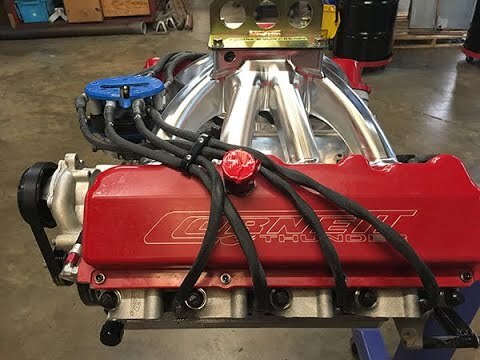
Understanding the numbers behind these engines reveals why they are so impressive. The dirt late model engine specs are a testament to modern racing engineering.
Horsepower in Dirt Late Model Engines
A top-tier open motor, often found in a Super Late Model, can produce over 900 horsepower. This immense power is necessary to accelerate rapidly out of corners and achieve high speeds on the straightaways of a dirt oval. Crate engines, which are more regulated, typically produce between 400 and 600 horsepower.
Dirt Late Model Engine Compression Ratio
The dirt late model engine compression ratio is a critical performance metric. It refers to the ratio of the volume in the cylinder when the piston is at the bottom of its stroke to the volume when it's at the top.
- Super Late Model Engines: Can have a compression ratio of 13:1 or higher.
- Crate Engines: Typically have a lower, more controlled ratio around 10:1.
A higher compression ratio allows the engine to extract more energy from the fuel-air mixture, resulting in more horsepower. However, it also requires higher-octane racing fuel and puts more stress on internal components.
Engine Displacement
Displacement refers to the total volume of all the cylinders in an engine. For dirt late models, this is a defining characteristic. Most open motors are built around a maximum displacement rule, which is often around 430 cubic inches. Larger displacement generally allows an engine to produce more torque and horsepower.
Fuel Systems for Dirt Late Model Engines
The fuel systems for dirt late model engines are designed to deliver a massive amount of fuel consistently, even under the high g-forces of cornering.
- Carburetor: Most dirt late models use a large, four-barrel carburetor. These mechanical devices are preferred for their reliability and tuning flexibility.
- Fuel: These engines run on specialized racing fuels, often methanol or high-octane racing gasoline, which burn cooler and resist detonation under high compression.
- Fuel Pump: A mechanical fuel pump, driven by the camshaft, ensures a constant supply of fuel to the carburetor.
Super Late Model vs. Crate Late Model Engines
The type of engine used often defines the racing class. The two most prominent classes are Super Late Models and Crate Late Models.
|
Feature |
Super Late Model (Open Motor) |
Crate Late Model (Spec Motor) |
|
Engine Type |
Custom-built, all-aluminum V8 |
Factory-sealed GM 602 or 604 V8 |
|
Horsepower |
850-900+ HP |
400-550 HP |
|
Cost |
$40,000 - $70,000+ |
$6,000 - $10,000 |
|
Displacement |
Up to 430 cubic inches |
350 cubic inches (5.7L) |
|
Rules |
Open; few restrictions on components |
Spec; engines are sealed to prevent modification |
|
Purpose |
Top-tier national and regional series |
Lower-cost weekly and regional racing |
The "open motor" in a Super Late Model allows for near-limitless modification, leading to higher costs and horsepower. In contrast, "crate" engines are sealed by the manufacturer (like General Motors) to ensure a level playing field and control costs, making it a more accessible form of late model racing.
Governing Bodies and Engine Rules
Various sanctioning bodies, such as the World of Outlaws and the Lucas Oil Late Model Dirt Series, establish the dirt late model engine rules. These rules are crucial for maintaining fairness and safety. They dictate specifications like maximum engine displacement, carburetor size, and weight requirements. For Crate Late Model classes, the rules are even stricter, ensuring that engines remain sealed and unmodified from the factory.
Frequently Asked Questions
Q: What is the typical dirt late model engine RPM limit?
A: Dirt late model engines are built to operate at very high RPMs. While there isn't a strict redline on most open motors, they are commonly run between 7,000 and 9,500 RPM during a race.
Q: How much does a dirt late model engine cost?
A: The cost varies significantly by type. A competitive Super Late Model engine can cost over $50,000, with top-tier builds exceeding $70,000. A brand new crate engine is much more affordable, typically costing between $6,000 and $10,000.
Q: Are dirt late model engines fuel-injected?
A: No, the vast majority of dirt late model engines use carburetors. While fuel injection is technologically advanced, carburetors remain popular in this form of racing due to their simplicity, tunability, and the rules set by sanctioning bodies.
The Heart of a Dirt Track Beast
The engine in a dirt late model is far more than just a collection of parts; it's a purpose-built masterpiece of power and engineering. Whether it's a high-strung, 900-horsepower open motor or a sealed crate engine, it represents the heart of the car and the soul of the sport. Understanding these power plants gives you a deeper appreciation for every lap, every slide, and every thunderous roar down the front stretch.
Ready to dive deeper into the world of motorsports? Explore our other posts to learn more about racing technology and what it takes to win on the track.
Recent Posts
-
Step-by-Step Guide: How to Change a 2-Stroke Dirt Bike Piston
How to Change a 2-Stroke Dirt Bike Piston: A Step-by-Step Guide There is nothing quite like the sou …Jan 27th 2026 -
Dirt Bike Tire Sizing Explained: Metric vs. Standard Guide
Dirt Bike Tire Sizing: Metric vs. Standard Explained Getting the right tires for your dirt bike is c …Jan 24th 2026 -
Ford 363 Crate Engine Specs: A Complete Guide
Ford 363 Crate Engine: A Deep Dive Into 500+ HP When you're searching for the heart of your next pr …Nov 5th 2025


