
Snowmobile FAQs | Answers to Common Questions About Parts and Maintenance
Snowmobile Parts: Frequently Asked Questions
Have questions about upgrading or maintaining your snowmobile? You're in the right place. Here are answers to some of the most common questions we receive about snowmobile parts, accessories, and gear.
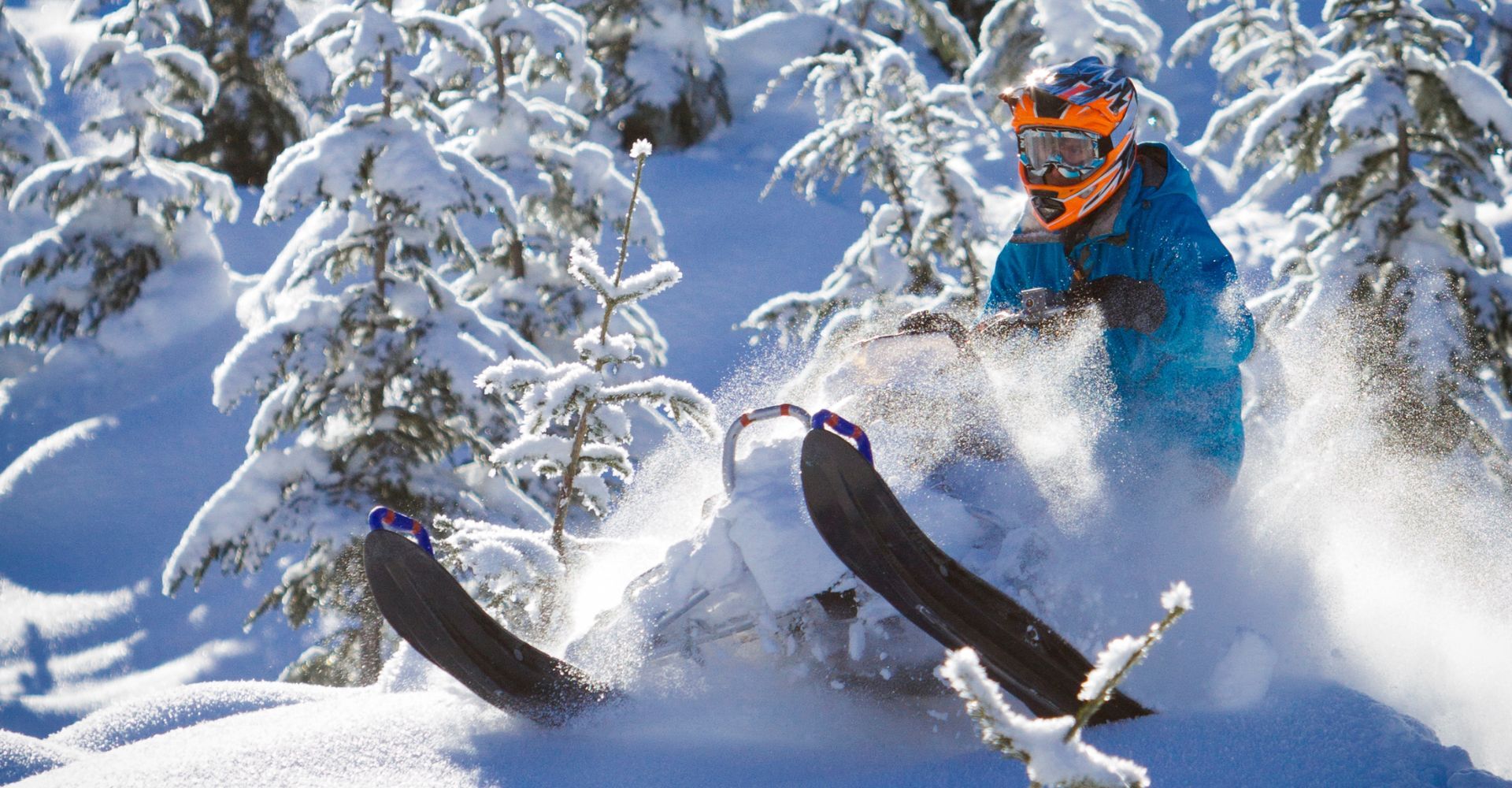
1. Q: What are the most durable snowmobile parts for extreme conditions?
A: For extreme conditions, you should prioritize parts made from high-strength materials that can withstand cold temperatures and rough terrain. Look for:
- Suspension Components: Upgraded A-arms and spindles made from billet or forged aluminum offer superior strength compared to stock cast parts.
- Skis: Aftermarket skis made from durable polymer plastics can handle more abuse and provide better control.
- Tracks: Look for tracks with reinforced construction and consider adding studs for extra grip and durability on icy or hard-packed snow.
- Bumpers: Heavy-duty front and rear bumpers protect your sled from unexpected impacts with trees, rocks, or other sleds.
Focusing on these key areas will help ensure your snowmobile is ready to handle whatever the backcountry throws at it.
2. Q: How do I find snowmobile parts compatible with my model?
A: Finding compatible parts is simple with the right tools. The most reliable method is to use a "fitment finder" or "parts finder" tool, which is available on our website. You just need to enter your snowmobile’s make, model, and year. The tool will then filter the results to show you only the parts that are guaranteed to fit your specific machine.
Always double-check the product description and fitment details before purchasing to ensure you’re getting the right component.
3. Q: What safety gear is essential for snowmobiling?
A: Safety should always be your top priority on the trail. Essential gear includes:
- A DOT-Certified Helmet: This is non-negotiable for protecting your head.
- Warm, Layered Clothing: Wear a moisture-wicking base layer, an insulating mid-layer, and a waterproof, windproof outer shell.
- Goggles: Protect your eyes from wind, snow, and debris. Look for anti-fog lenses.
- Gloves: Insulated and waterproof gloves are a must for keeping your hands warm and dry.
- Boots: Sturdy, waterproof boots with good insulation will protect your feet from the cold and provide grip. For more safety tips, visit ISMA Safety Tips.
For backcountry riding, you should also carry an avalanche beacon, shovel, and probe, and know how to use them.
4. Q: Are there eco-friendly options for snowmobile accessories?
A: Yes, the industry is increasingly offering more environmentally conscious products. Some popular eco-friendly options include:
- Biodegradable Lubricants: Many brands now offer high-performance 2-stroke and chaincase oils that are formulated to break down more easily in the environment.
- Low-Emission Exhaust Systems: Certain aftermarket exhaust systems are designed to meet strict emissions standards, reducing your sled's environmental impact without sacrificing performance.
- Fuel Additives: Some additives can help your engine burn fuel more cleanly and efficiently.
Choosing these products allows you to enjoy your ride while minimizing your environmental footprint.
5. Q: What are the best helmets for snowmobile riders?
A: The "best" helmet depends on your riding style and preferences, but there are a few key features to look for.
- Modular Helmets: These offer a flip-up chin bar, making it easy to talk or get some air without removing the helmet. They are great for trail riders.
- Snocross/MX-Style Helmets: Paired with goggles, these helmets are lightweight and offer excellent ventilation, making them ideal for aggressive or backcountry riders who work up a sweat.
- Electric Shields: For riders who struggle with visor fogging, a helmet with an electric heated shield is a game-changer, providing a consistently clear view in all conditions.
No matter the style, ensure any helmet you choose is DOT or SNELL certified for safety.
Have more questions? Our team is here to help. Explore our full collection of parts and accessories or contact us for expert advice on finding the perfect components for your ride.
Recent Posts
-
Ball Joint Pin Length: Roll Center & Camber Gain Guide
Ball Joint Pin Length: Roll Center, Camber Gain & Geometry for Dirt Cars Quick Answer: Ball joint pi …Aug 17th 2026 -
How to Measure Upper Control Arms for Dirt Cars
How to Measure Upper Control Arm Lengths for Dirt Late Models, Modifieds & Street Stocks Getting the …Aug 8th 2026 -
Tight in the Middle? Here’s How to Free Up a Dirt Late Model Fast
Tight in the Middle? Here's How to Free Up a Dirt Late Model Fast Quick answer: A mid-corner push in …Aug 3rd 2026


